
Background: The March 2026 Price Spike
The Indian surfactants market, particularly linear alkyl benzene sulfonic acid (LABSA), faced an unprecedented price surge in March 2026. A combination of global petrochemical supply chain disruptions, a sudden spike in crude oil prices, and a slowdown in domestic refining output pushed LABSA prices to levels unseen in the last decade. Manufacturers of detergent chemicals reported margin compression, leading to widespread supply concerns.
Immediate Impact on the Surfactants Market India
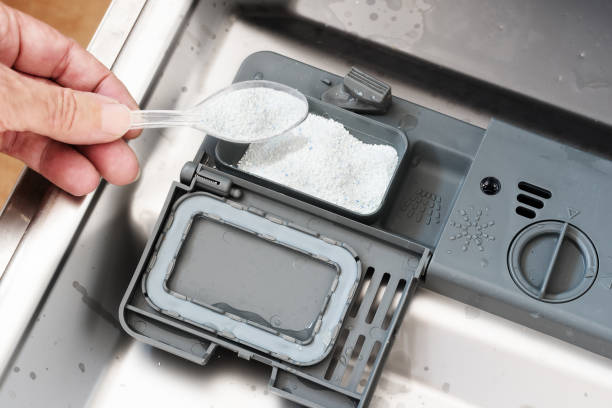
Detergent producers, the largest end‑users of LABSA, were forced to seek alternative raw materials and re‑engineer formulations. The price shock caused:
Short‑term supply shortages as vendors struggled to keep up with demand.
Increased production costs for both LABSA manufacturers and downstream detergent companies.
Accelerated research into substitutes, such as non‑ionic surfactants and biodegradable options.
Heightened regulatory scrutiny over pricing practices in the petrochemical sector.
Factors Driving the Market Recovery
1. Stabilization of Petrochemical Supply Chains
By mid‑2026, global oil markets stabilized, and major refining hubs in the Gulf region resumed full capacity. This restored the flow of linear alkyl benzene (LAB), the precursor to LABSA. Additionally, India’s strategic reserve of crude oil and the ramp‑up of domestic petrochemical production provided a cushion against future shocks.
2. Technological Advancements in LABSA Synthesis
Several Indian petrochemical firms invested in next‑generation LABSA production units featuring:
Higher catalyst efficiency, reducing energy consumption.
Inline desulfurization, lowering the need for costly downstream purification.
Automated quality control systems, ensuring consistent product yield.
These upgrades cut production costs by an estimated 12–15%, allowing suppliers to adjust prices downward.
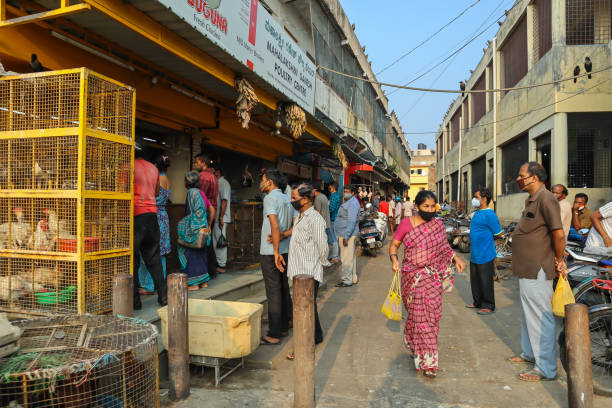
3. Policy Interventions and Market Rebalancing
The Ministry of Commerce issued a temporary price cap on LABSA for the detergent sector, preventing unchecked price hikes. Simultaneously, incentives were introduced for companies adopting renewable energy in petrochemical plants. These measures helped stabilize the market and encouraged sustainable practices.
4. Strategic Partnerships and Forward‑Buying Agreements
Large detergent manufacturers began to enter long‑term supply contracts with LABSA producers, locking in fixed prices and securing supply. This reduced price volatility and gave manufacturers confidence to resume normal production levels.
Current State of the LABSA Market 2026
As of late 2026, LABSA prices have returned to pre‑crisis levels, with a slight downward trend attributed to increased competition and improved efficiencies. The surfactants market India now shows:
Robust demand growth driven by the expansion of the domestic detergent market and rising consumer awareness of product quality.
Enhanced product diversification with newer LABSA‑based surfactants featuring lower environmental footprints.
Improved price transparency due to digital supply chain platforms linking manufacturers and suppliers directly.
Implications for Detergent Chemicals and Future Outlook
The recovery has several key implications for the detergent chemicals industry:
Cost Competitiveness: With LABSA prices stabilizing, manufacturers can now focus on innovation rather than margin erosion.
Regulatory Compliance: The push for greener surfactants aligns with upcoming Indian environmental regulations, positioning companies for a smoother transition.
Supply Chain Resilience: Forward‑buying agreements and diversified sourcing strategies reduce exposure to future disruptions.
Potential market consolidation as smaller players struggle to compete with larger firms that have benefited from recent technological investments.
Strategic Recommendations for Stakeholders
Invest in process optimization to further reduce LABSA production costs.
Explore alternative feedstocks such as bio‑derived alkylbenzenes to diversify supply risks.
Leverage data analytics for demand forecasting, avoiding over‑stocking or shortages.
Engage with regulatory bodies early to stay ahead of upcoming environmental standards.
Collaborate with detergent manufacturers to co‑develop next‑generation surfactants with superior performance and lower ecological impact.
the LABSA market in India has rebounded strongly after the March 2026 crisis. Through a combination of supply chain stabilization, technological upgrades, policy support, and strategic partnerships, the surfactants sector is poised for sustained growth. Manufacturers who adopt a forward‑thinking approach to cost management, sustainability, and supply resilience will be best positioned to thrive in this evolving landscape.
Sodium Lauryl Sulfate (NEEDLE 94%) - China CAS: 151-21-3