
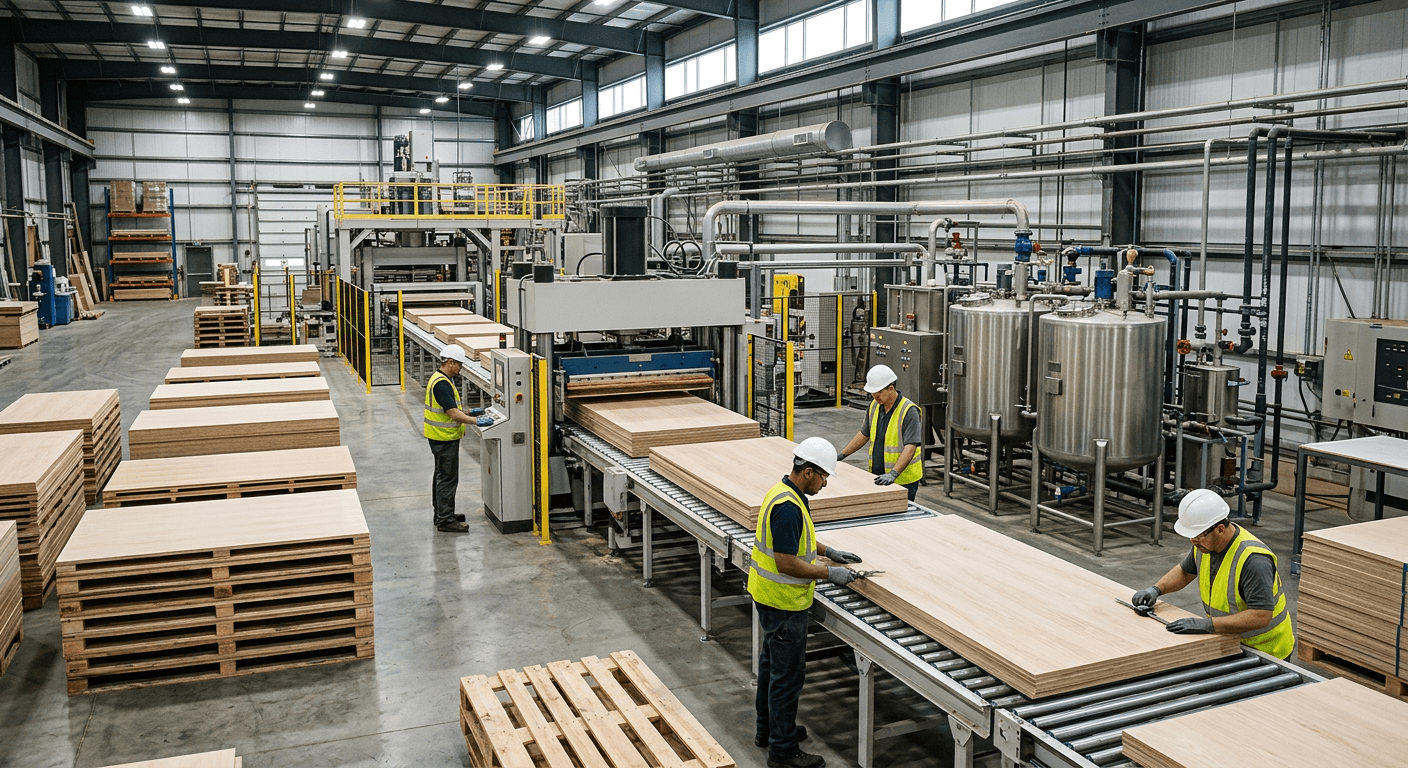
Formaldehyde demand remains under pressure in the first half of 2026 as two major consuming sectors, construction and automotive, continue facing weaker conditions. The slowdown has limited recovery for formaldehyde-based products including resins, wood panels, laminates and coatings.
While demand remains soft, production costs continue to create uncertainty. Formaldehyde pricing is closely linked to methanol economics, meaning any disruption in methanol supply could quickly increase cost pressure for downstream buyers.
For procurement teams, the current market requires careful monitoring. Weak demand may limit price growth, but raw material risks continue to create potential upside exposure.
Formaldehyde Market Conditions in H1 2026
Formaldehyde is a key chemical intermediate used across multiple industrial applications. Its largest demand segments include construction materials and automotive-related products where formaldehyde-based resins support manufacturing processes.
The first half of 2026 has been challenging because major end-use sectors have not delivered strong growth.
Current market conditions include:
Lower construction activity reducing demand for wood-based products and resins.
Slower automotive production affecting coatings and composite material consumption.
Cautious purchasing behaviour from downstream manufacturers.
The market remains balanced between weak consumption and production cost risks.
Construction Downturn Limits Formaldehyde Demand Recovery
Construction remains one of the largest demand drivers for formaldehyde derivatives. Products such as engineered wood, adhesives and laminates depend heavily on formaldehyde-based resin systems.
However, slower construction activity has reduced new project demand and affected material consumption across several regions.
Demand pressure is linked to:
Reduced building activity.
Lower investment in new construction projects.
More cautious inventory management among manufacturers.
The weakness in construction has prevented a stronger recovery despite stable industrial requirements in some other applications.
Automotive Sector Weakness Adds Additional Pressure
The automotive industry represents another important outlet for formaldehyde-derived products. Resins and coatings support applications across vehicle manufacturing and component production.
In 2026, slower automotive demand has reduced chemical consumption growth and added pressure to suppliers across the value chain.
Automotive-related factors include:
Lower production growth in some regions.
Reduced demand for industrial coatings and components.
Manufacturers focusing on cost control.
The weaker automotive cycle continues to influence formaldehyde market sentiment.
Methanol Prices Create Cost Risk for Formaldehyde Buyers
Methanol remains the key cost reference point for formaldehyde production. Changes in methanol pricing directly affect producer economics and influence downstream pricing strategies.
Even with weak demand, buyers cannot ignore supply-side risks.
Important cost factors include:
Methanol availability and regional supply conditions.
Energy costs affecting production economics.
Logistics disruptions impacting delivered costs.
A stable demand environment does not remove raw material price risk.
Any major methanol supply disruption could create upward pressure on formaldehyde pricing despite limited consumption growth.
Global Chemical Demand Trends Affecting Formaldehyde
Broader economic conditions continue to shape chemical demand. Slower consumer spending growth has reduced confidence across manufacturing industries that rely on formaldehyde derivatives.
Lower spending growth can affect:
Housing-related demand.
Furniture and interior material production.
Industrial manufacturing activity.
Companies across the chemical value chain are adjusting production plans and inventory strategies as market recovery remains gradual.
Supply Chain Risks and Procurement Challenges
Although demand remains weak, formaldehyde buyers still need to manage supply chain risks. Chemical markets can shift quickly when raw material availability changes.
Key procurement challenges include:
Balancing lower demand with potential methanol-driven cost increases.
Managing supplier reliability during uncertain market conditions.
Avoiding excessive inventory commitments in a slow market.
Buyers should maintain flexibility by reviewing supply options and monitoring upstream developments.
Formaldehyde Applications and Industrial Outlook
Formaldehyde remains essential across multiple industries despite current market weakness. Its role in resin production supports long-term demand from manufacturing sectors.
Major applications include:
Wood panels and engineered materials.
Adhesives and coatings.
Automotive components.
Industrial resins.
As construction and automotive markets recover, formaldehyde demand could improve. However, timing depends heavily on broader economic conditions.
Procurement Strategy for Formaldehyde Buyers in 2026
The current market environment requires buyers to balance price opportunities with supply risk management. Lower demand may create negotiation opportunities, but methanol exposure remains a major factor.
Procurement teams should consider:
Reviewing contracts for raw material adjustment mechanisms.
Tracking methanol market developments.
Maintaining supplier diversification.
Planning purchases around actual consumption needs.
A disciplined approach can help buyers avoid unnecessary costs while protecting supply continuity.
Market Outlook for Formaldehyde Through 2027
The formaldehyde market is expected to remain influenced by two competing forces. Weak downstream demand may limit pricing momentum, while methanol supply risks could create cost volatility.
Recovery will depend on:
Improvement in construction activity.
Automotive sector stabilization.
Consumer spending recovery.
Raw material market conditions.
The market may remain cautious through the near term, but long-term demand fundamentals remain connected to industrial growth.
What Buyers Should Do Now
Formaldehyde buyers should focus on managing uncertainty rather than relying only on short-term price movements. The current market offers opportunities to negotiate, but cost risks remain linked to methanol supply conditions.
Companies that monitor end-use demand, supplier stability and raw material trends will be better positioned as the market moves toward recovery.
A balanced procurement strategy will help buyers manage both weak demand conditions and unexpected supply-side changes. Ready to source Formaldehyde from verified global suppliers? Explore competitive offers on our platform today.
Methanol CAS: 67-56-1