Related Insights

EU Carbon Permits Reach a 23-Week High: What It Means for Chemical Emissions Compliance Costs
EU carbon permit prices have climbed to a 23-week high, adding a new variable to emissions compliance cost planning. Chemical manufacturers and procurement teams should reassess carbon exposure, operating costs and long-term sourcing strategies.
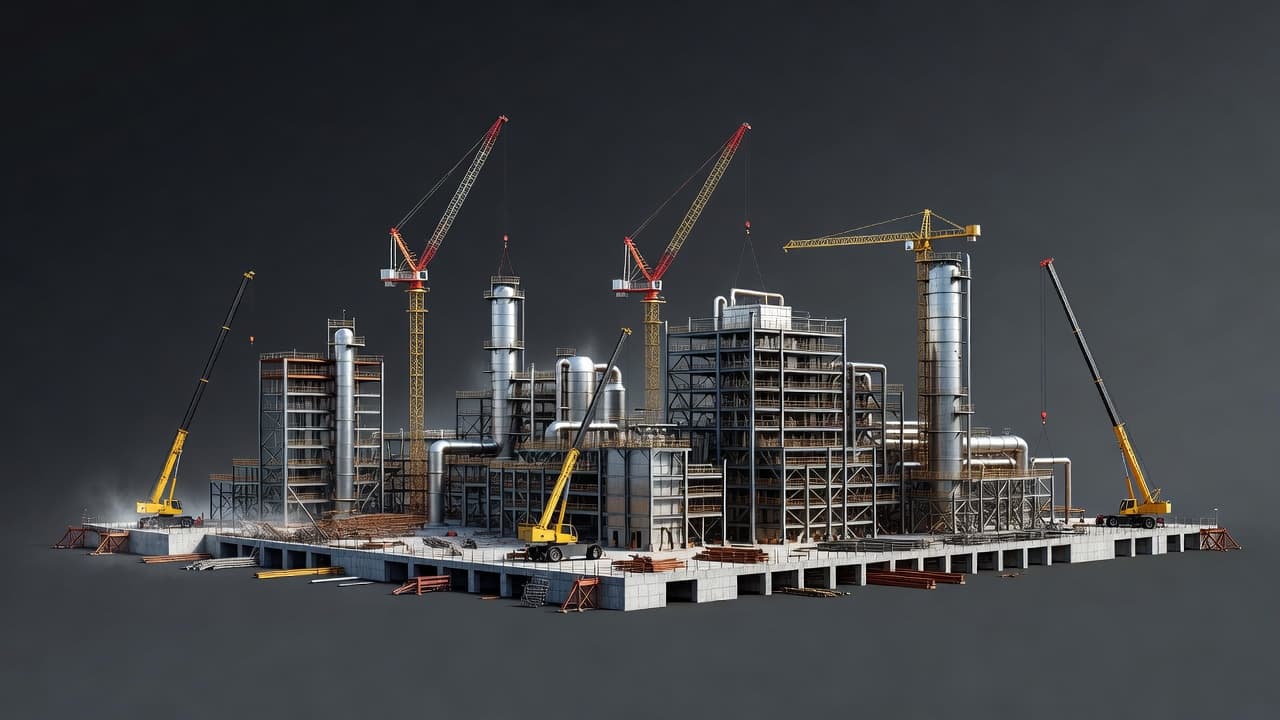
One Big Beautiful Bill Act: How US Tax Policy Is Reshaping Chemical Industry Investment in 2026
The H.R.1 One Big Beautiful Bill Act has become an important factor influencing capital allocation across the US chemical industry. Procurement teams, investors and manufacturers should understand how tax policy can affect production capacity, supply chains and long-term sourcing decisions.
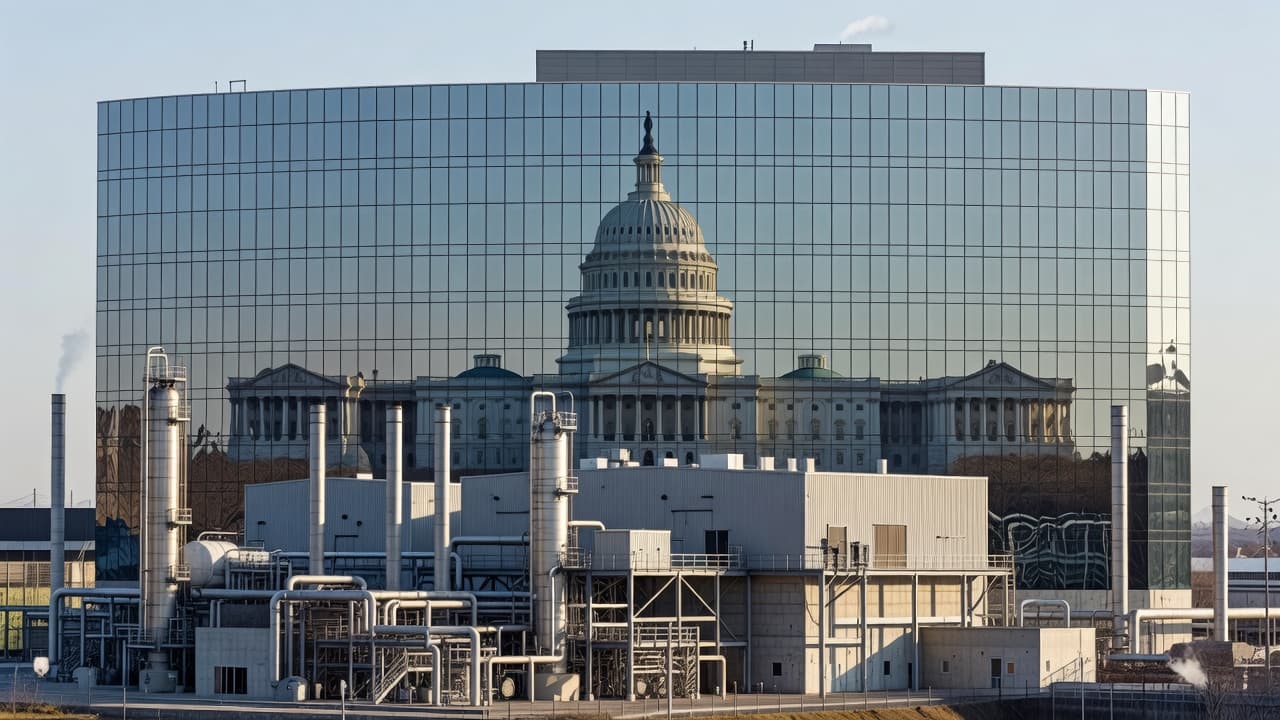
One Big Beautiful Bill Act: What US Chemical Companies Need to Know About the New Policy Landscape
US industrial policy continues to evolve alongside environmental regulation. This article explains how the One Big Beautiful Bill Act fits into the broader policy environment influencing chemical manufacturing, investment planning and regulatory compliance.

The European Chemical Industry's Sustainability Agenda Scaling Back: What C&EN Confirms
Europe's sustainability framework continues to evolve as policymakers balance environmental ambitions with industrial competitiveness. Procurement professionals should understand which compliance requirements remain on schedule and which have been deferred to build realistic compliance roadmaps.

Electronic Chemicals and the Semiconductor Supply Chain: Congress Tightens Focus on Critical Minerals
Electronic chemicals and specialty gases are now seen as defense‑critical, as a July 2026 CRS report highlighted the risk of Hormuz disruptions to sulfur and rare‑gas supplies. Congress is moving to classify these materials, unlocking federal incentives and reserve mechanisms. Procurement managers must map their portfolios to align with the new security‑of‑supply framework.

CBAM Q2 2026 Reporting Deadline: What Chemical Exporters Must Submit Before July 31
EU’s Carbon Border Adjustment Mechanism (CBAM) Q2 2026 reporting deadline falls on July 31. Chemical exporters must compile verified embedded‑carbon data for their products, align with EU ETS rules, and submit the required CBAM declarations to avoid penalties.
Don't miss out on our updates! Subscribe to our newsletter now
We're committed to your privacy. Tradeasia uses the information you provide to us to contact you about our relevant content, products, and services. For more information, check out our privacy policy.