Overview of the Acrylic Acid Market
Acrylic acid (AA) is a key petrochemical derivative that serves as the backbone for a wide range of polymeric materials. Its role as a monomer in the production of acrylic esters, polyacrylates and cross‑linked networks makes it indispensable for paints, coatings, adhesives and textile finishes. The current global market for acrylic acid is valued at over USD 6 billion, with Asia‑Pacific, led by China, accounting for more than 60% of production capacity.
Butyl Acrylate Demand: A Catalyst for Growth
Butyl acrylate (BA) is the most widely used acrylic ester, prized for its flexibility, low viscosity and excellent adhesion properties. BA’s demand is closely tied to the paints and coatings chemicals segment, which has seen a 4.5% CAGR over the past five years. Key applications include automotive interior coatings, industrial floor finishes, and protective coatings for metal and glass.
Factors Driving BA Demand
- Construction Chemicals Demand: Rapid urbanization and infrastructure projects in emerging economies boost the need for durable, low‑VOC coatings.
- Increasing consumer preference for high‑performance, water‑based paints drives the adoption of BA‑based acrylic blends.
- Regulatory push for environmentally friendly formulations encourages the use of BA, which can be incorporated into low‑VOC systems.
Acrylic Esters Market: Beyond Paints
The acrylic esters market, which includes methyl acrylate, ethyl acrylate and butyl acrylate, is projected to reach USD 3.2 billion by 2030. These esters are pivotal raw materials for adhesives, sealants, and textile coatings. The demand for high‑performance adhesives in the electronics sector is a significant growth driver, as is the expansion of the automotive coatings market.
Adhesives Raw Materials
In the adhesives sector, acrylic esters provide superior tack and peel resistance. Manufacturers are increasingly blending BA with other monomers to create specialty adhesives for aerospace and medical device applications. The trend towards digital manufacturing and additive processes also fuels the need for fast‑curing, high‑strength acrylic adhesives.
Superabsorbent Polymers: A Rising Trend
Superabsorbent polymers (SAPs) are critical components in disposable diapers, sanitary products and agricultural soil conditioners. Acrylic acid, through the formation of polyacrylate networks, offers the high water uptake and retention properties required for SAPs. The global SAP market is expected to grow at a CAGR of 6.8% between 2025 and 2030, largely driven by the baby care and feminine hygiene segments.
Link to Acrylic Acid Production
Manufacturers of SAPs are increasingly sourcing acrylic acid from petrochemical derivatives to ensure consistent quality. The ability to fine‑tune cross‑linking density allows SAP producers to balance absorbency, mechanical strength and cost.
Petrochemical Derivatives and Feedstock Sensitivity
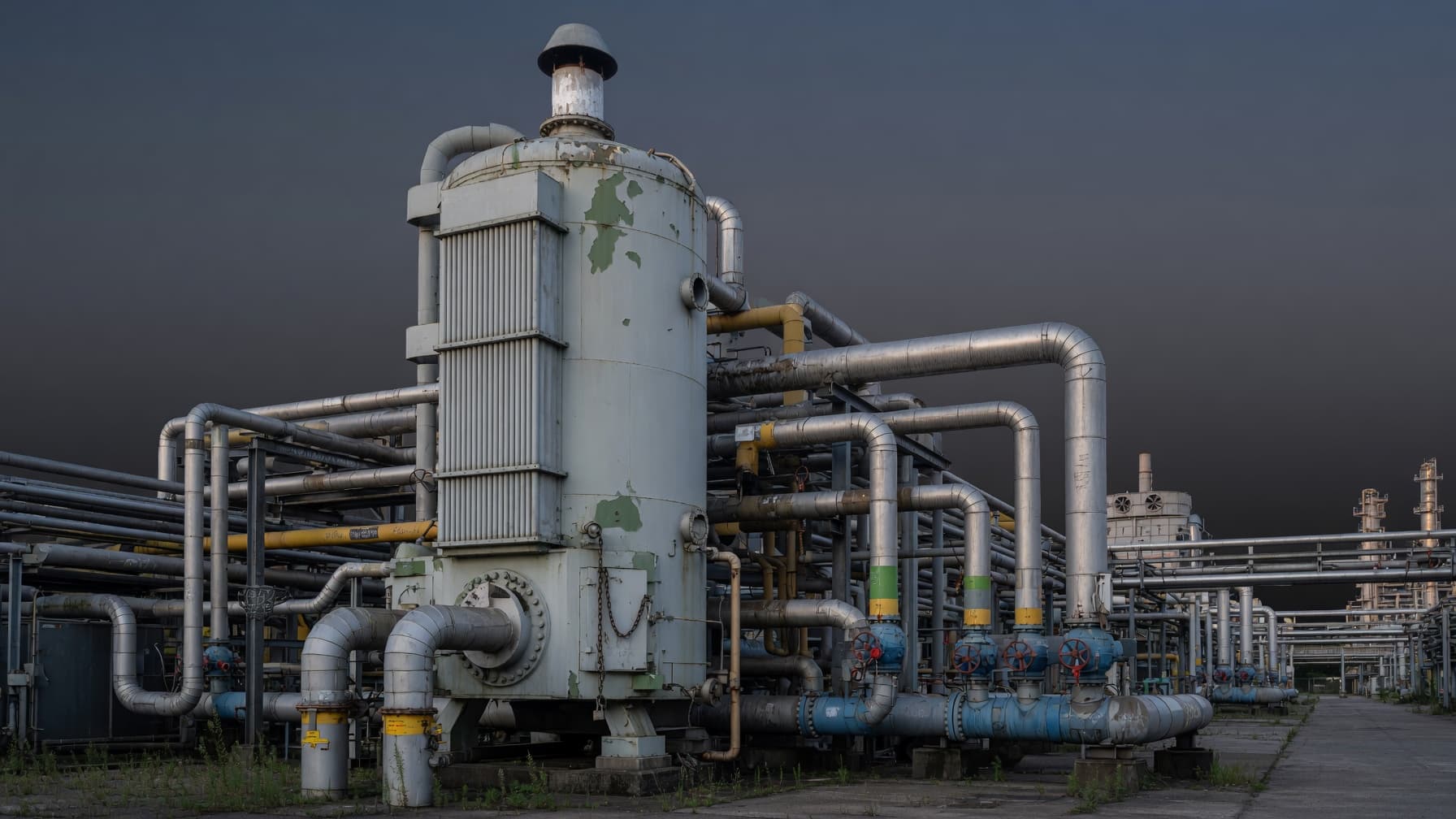
Propylene is the primary feedstock for acrylic acid synthesis. Any disruption in propylene supply—such as Middle East geopolitical tensions—can lead to price spikes in AA. As a result, many manufacturers are diversifying their supply chains, exploring alternative feedstocks, and investing in propylene recovery technologies to mitigate risk.
Impact on Global Acrylate Market
- Price volatility in AA translates directly into higher costs for end‑use products.
- Producers in regions with stable propylene supply, like North America, often command premium pricing.
- Strategic stockpiling and long‑term contracts have become standard practice among large OEMs.
Polymer Industry Trends: Sustainability and Digitalization
The polymer industry is undergoing a transformation driven by sustainability goals and digital technologies. Key trends include:
- Green Chemistry: Development of bio‑based propylene alternatives and CO2‑to‑propane processes.
- Low‑VOC Formulations: Adoption of water‑based acrylic esters to meet tightening environmental regulations.
- Industry 4.0: Implementation of AI and real‑time analytics to optimize polymer synthesis and reduce waste.
- Circular Economy: Design of acrylic‑based materials for easier recycling and end‑of‑life recovery.
Construction Chemicals Demand: A Robust Driver
The construction chemicals segment, which includes paints and coatings, adhesives, sealants and waterproofing systems, is a major consumer of acrylic esters. With global construction spending projected to reach USD 11 trillion by 2030, the demand for durable, high‑performance coatings is set to rise. Acrylic ester‑based coatings offer superior UV resistance, flexibility and ease of application—qualities essential for infrastructure longevity.
Key Market Segments
- Residential and commercial building coatings.
- Industrial floor coatings for petrochemical plants and refineries.
- Protective coatings for bridges, tunnels and high‑rise structures.
Conclusion
The acrylic acid market, driven by demand for butyl acrylate and other esters, remains a cornerstone of the polymer and construction chemicals industries. As petrophosical derivatives continue to shape supply dynamics, manufacturers must balance cost, sustainability and performance. Emerging trends in green chemistry, digitalization and circular economy practices will define the next chapter of growth for acrylic‑based materials.