
分享此产品 :
PP Homopolymer P303S (Thermoforming) - Thailand
- 产地
- : Thailand
- CAS 编号
- : 9003-07-0
- HS 代码
- : 390210
基本信息
- Physical Form
- : Solid
- Concentration
- : Pure substance
- Appearance / Color
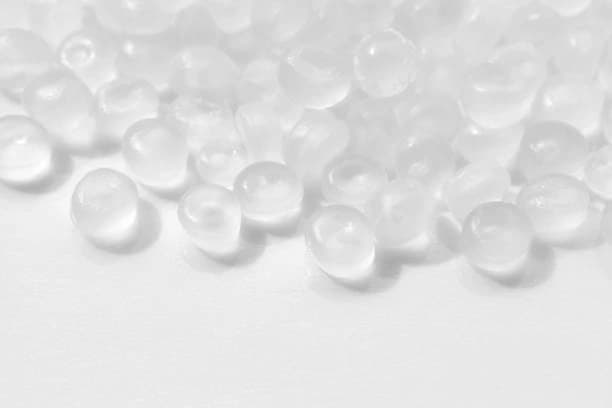
- : White to off-white solid
- Drug Precursor Status
- : Non-precursor
分享此产品 :
Brief Overview
Propylene is the only monomer used to create polypropylene homopolymer, which shows notable crystallinity and isotactic structure—a regular and orderly arrangement of molecular chains. This results in a material that is very strong, has exceptional chemical resistance, and excels in electrical insulation. Due to its high melting point, polypropylene homopolymer is widely used in manufacturing processes like as extrusion and injection molding to produce pipes, sheets, and packaging. It is a popular option in many industries, including consumer products, construction, and automotive, because to its outstanding mechanical and thermal qualities.
Manufacturing Process
Propylene monomer is polymerized at a certain pressure and temperature to produce polypropylene homopolymer. The following stages are often included in the process:
Propylene Polymerization: During the propylene polymerization process, a Ziegler-Natta catalyst is present. This catalyst typically comprises of an organoaluminum co-catalyst and a transition metal compound. This catalyst starts the process that results in a high molecular weight polypropylene homopolymer.
Quenching and Cooling: After the polymerization process is finished, the polymer is cooled by using a cooling agent, such as gas or water, to stop the reaction and reduce the polymer's temperature.
Solid-State Polymerization: The polymer is heated to enhance its mechanical characteristics and eliminate any unreacted monomer residue during the solid-state polymerization process. At this point, the polymer can be heated in an inert environment or under vacuum to remove impurities and improve the final product's qualities.
Pelletization: Using a pelletizing machine, the resulting polymer is cut into small pellets for better handling and transportation.
Process factors including catalyst type, temperature, and pressure may be changed to change the properties of the resulting polypropylene homopolymer. Antioxidants, processing aids, and stabilizers can also improve the performance of the material.