
分享此产品 :
PP Homopolymer 114G (Yarn) - Vietnam
- 产地
- : Vietnam
- CAS 编号
- : 9003-07-0
- HS 代码
- : 390210
基本信息
- Physical Form
- : Solid
- Concentration
- : Pure substance
- Appearance / Color
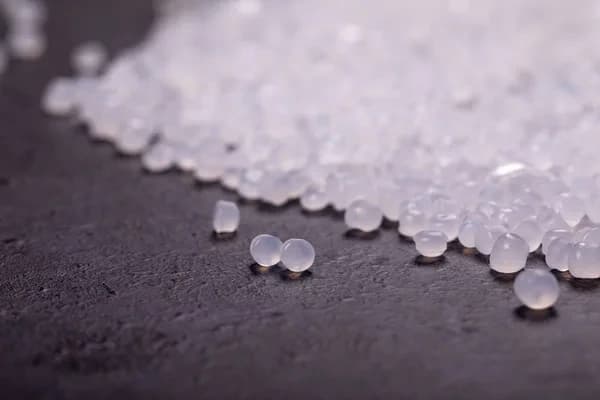
- : White to off-white solid
- Drug Precursor Status
- : Non-precursor
分享此产品 :
Brief Overview
Propylene is the only monomer used in the thermoplastic polymer known as polypropylene homopolymer. Its molecular chains have a high degree of crystallinity and isotactic structure, and they are evenly aligned and organized. This results in a material with excellent rigidity, chemical resistance, and electrical insulating properties. Polypropylene homopolymer is utilized in extrusion and injection molding techniques to create pipes, sheets, and packaging materials because of its high melting point. It is widely used in consumer products, building, and automotive sectors due to its remarkable mechanical and thermal qualities.
Manufacturing Process
In the process of creating polypropylene homopolymer, propylene monomers are polymerized. An overview of the process is provided below:
Polymerization: While propylene is the monomer, a Ziegler-Natta catalyst is present during polymerization. The Ziegler-Natta catalyst is typically composed of a transition metal compound and an organoaluminum co-catalyst. When the catalyst initiates the process, chains of high molecular weight homopolymer polypropylene are produced.
Process Conditions: It is possible to adjust the final polypropylene homopolymer's characteristics by changing the process's pressure and temperature. The characteristics and molecular structure of the polymer are altered by these alterations.
Additives: Stabilizers, processing aids, antioxidants, and other additives can be added to the polymer to enhance its performance and stability.
Processing Methods: Extrusion and injection molding are two popular techniques for handling the polypropylene homopolymer. These procedures form the polymer into completed products like pipes, sheets, and packaging.
By carefully regulating the polymerization process, modifying conditions, and adding additives, manufacturers are able to generate polypropylene homopolymer with precise qualities appropriate for a number of uses in industries including consumer goods, construction, and automotive.